Riviera Maya nesting grounds and Sian Ka'an Biosphere Reserve
Tulum has become one of the most recognizable names on the Riviera Maya, but long before it was a global travel destination it was known to biologists as a place where sea turtles still came ashore in large numbers on relatively undisturbed sand. Tulum is a core site in the Riviera Maya - Tulum Sea Turtle Conservation Program, operated by Flora, Fauna y Cultura de Mexico with support from Marine Turtle Foundation. Our Tulum conservatory exists to make sure that nesting turtles, hatchlings, and the coastal ecosystem they depend on are not lost in the rush of development.
Wild beach patrols and in-situ nest protection
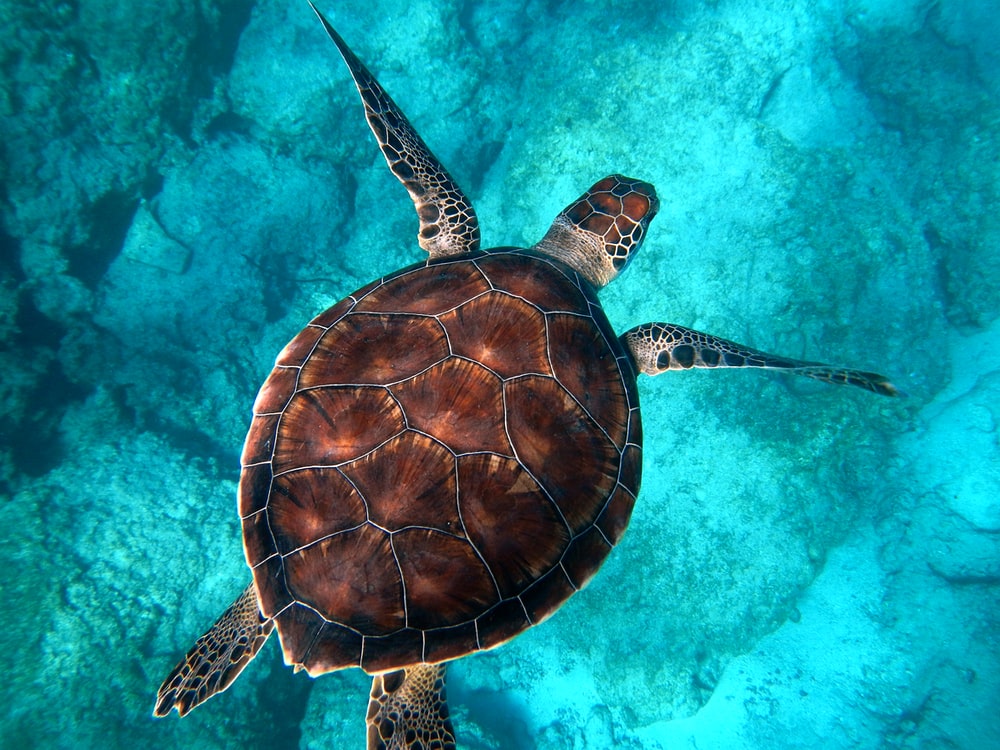
Green, loggerhead, and hawksbill sea turtles
120+ rangers, researchers, and community guides
Tulum sits on the stretch of Caribbean coast that conservationists often call the backbone of the Riviera Maya. To the north lies the Xcacel sanctuary and the busy corridor toward Playa del Carmen. To the south, the Sian Ka'an Biosphere Reserve protects one of the largest tracts of intact coastal wilderness in Mexico. Tulum itself is caught between those two worlds: a town built on the idea of natural beauty, but facing the same light pollution, beach erosion, and visitor pressure that threaten turtles everywhere on this coast.
Our work in Tulum is part of the broader Riviera Maya regional program, but the town presents its own set of challenges and opportunities. Visitors come to Tulum specifically because they want to see the reef, the jungle, and the beach. That makes education easier in some ways and harder in others. People arrive with good intentions, but without guidance they may use white-light flashlights on the sand, walk through marked nesting zones, or book unofficial turtle tours that disturb females during laying. Our Tulum teams focus on turning that interest into real protection.
Nesting activity in Tulum typically begins in the late spring and continues into the fall, with greens and loggerheads making up the majority of recorded nests and hawksbills appearing in smaller but important numbers. Rangers patrol roughly 22 kilometers of beach on foot during peak season, often starting before sunrise and again through the night when nesting activity is highest. Every crawl is documented. Every nest is mapped. Females that have not been tagged before receive a passive integrated transponder tag so that they can be recognized if they return in future years.
Whenever possible, we leave nests in place rather than moving them. In-situ protection is always the preferred option because it preserves the natural relationship between the egg chamber and the surrounding sand temperature. When relocation is necessary, usually because a nest was laid below the high tide line or in an area of active erosion, eggs are moved carefully to a protected hatchery where temperature and humidity are logged daily. Those records matter. A nest that runs even a few degrees too warm can produce a clutch that is almost entirely female, which creates long-term problems for the population.
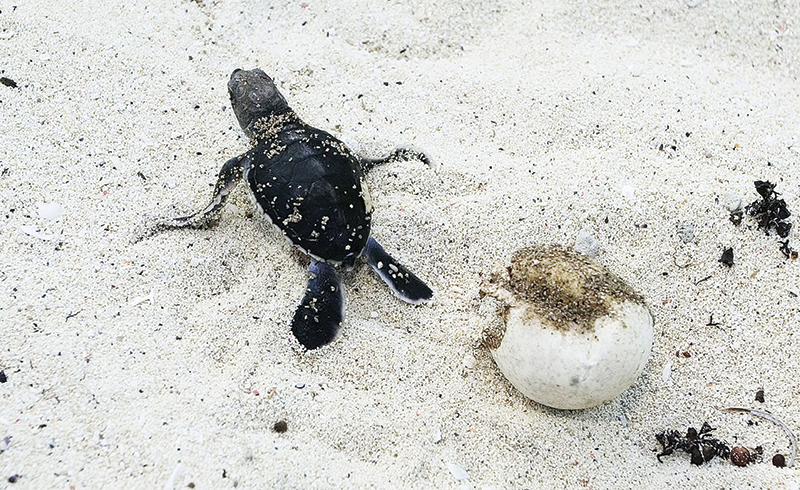
Hatchling releases in Tulum are supervised events, not public spectacles. We limit crowds, prohibit flash photography, and release turtles directly at the waterline so their orientation to the sea is not disrupted. The first minutes of a hatchling's life determine whether it reaches the open ocean or becomes disoriented and exhausted on the sand. Keeping that path clear is one of the most practical things we do.
South of Tulum, the developed coastline gives way to the Sian Ka'an Biosphere Reserve, a UNESCO World Heritage site that includes mangrove forests, shallow lagoons, seagrass beds, and some of the least disturbed nesting beaches in the region. Our Tulum program coordinates closely with reserve staff because many of the turtles that nest near town also use Sian Ka'an waters as juveniles and forage along its reef edges as adults.
Water quality in the lagoon systems connected to Sian Ka'an has a direct effect on turtle habitat. Runoff from inland development, inadequate wastewater treatment, and storm damage all send nutrients and sediment toward the reef. Our teams fund regular testing, support mangrove replanting after hurricanes, and work with local boat operators to reduce anchor damage in shallow feeding areas. Protecting Tulum's turtles means protecting the waterways behind the beach, not just the sand in front of the hotels.
Long before Tulum appeared on travel lists, Mayan communities along this coast had their own relationship with sea turtles, one rooted in observation, respect, and practical knowledge of the seasons. Our conservatory program employs local guides and rangers who understand the terrain and who can speak to both visitors and residents in culturally grounded ways. School programs in Tulum and nearby villages bring children to the visitor center, where they learn about turtle biology, local ecology, and the simple actions that protect both.
We also work with small hotel operators and eco-lodges that want to do the right thing but may not know where to start. That can mean installing red-filter lighting, training night staff to respond when a turtle comes ashore, or simply keeping guests off the upper beach during peak nesting hours. These changes seem small, but across dozens of properties they add up to a coastline that is noticeably safer for turtles.
Tulum does not exist in isolation. Nesting females tagged on Tulum beaches have been recorded visiting foraging grounds shared with turtles from the Xcacel and Xcacelito sanctuary to the north. Hatchlings entering the water at Tulum drift on the same currents as those emerging from Xcacel, Playa del Carmen, and Cancun. Regional data sharing helps us understand population trends that no single beach could reveal on its own.
If you are planning to visit the area, start with our Riviera Maya overview to understand how the projects connect, then consider volunteering during nesting season or supporting the conservatory through a donation. Tulum will continue to change, but the turtles that return here each year are depending on the work we do now to still find a safe place to nest when they arrive.