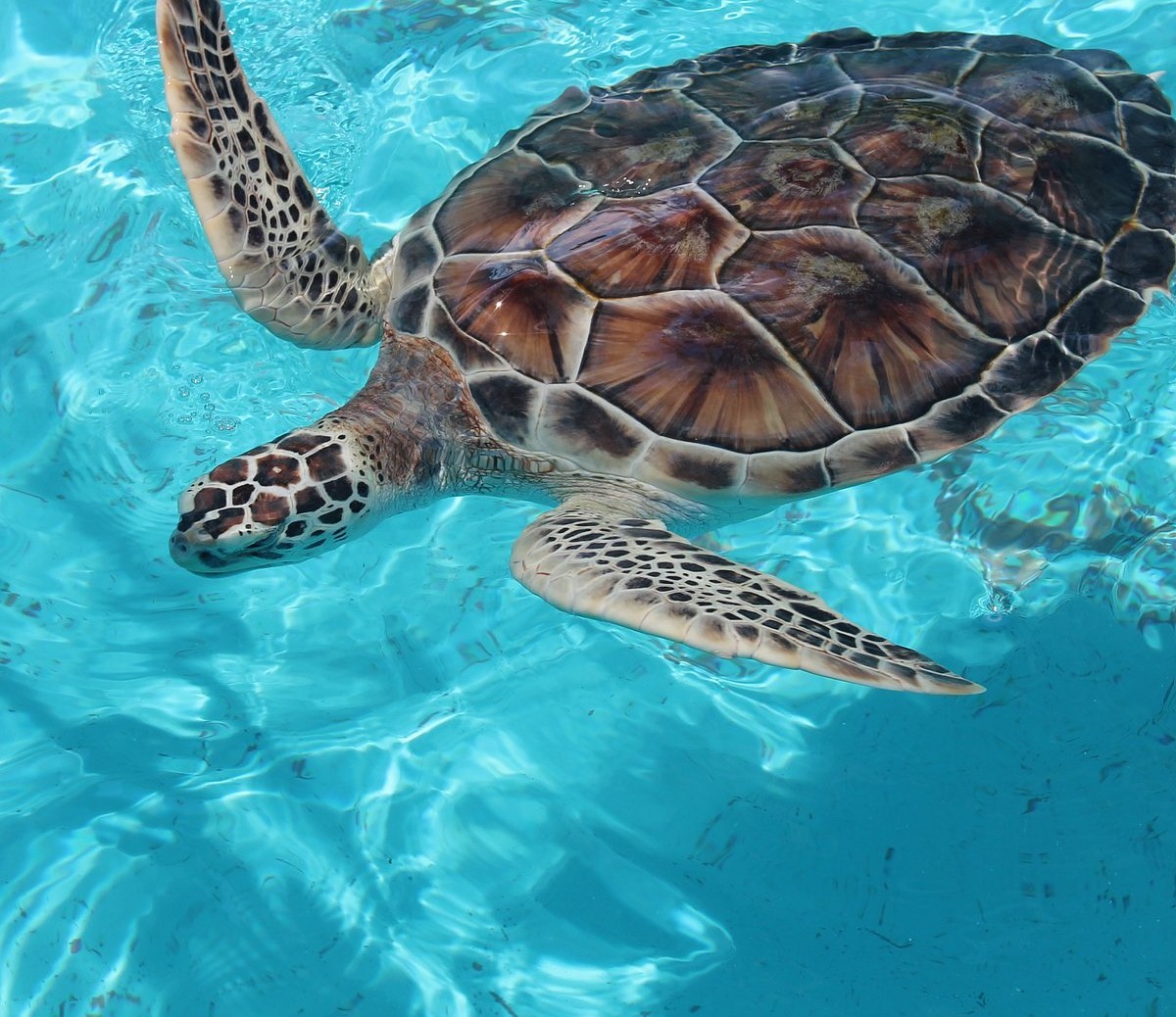
Urban nesting conservation in the Riviera Maya
Cancun's hotel zone sits atop some of the most heavily trafficked turtle nesting beaches in Mexico. Despite rapid urbanization, loggerhead and green turtles continue to return each year to lay their eggs along the stretch from Punta Nizuc to Playa Delfines. The Marine Turtle Foundation operates a dedicated conservatory in partnership with local hotels, the municipality, and marine biologists to ensure that tourism and turtle conservation coexist.
Protected hatcheries & guest education
Loggerhead & green sea turtles
80+ staff, volunteers & hotel partners
The Cancun conservatory runs a unique model where resort properties adopt sections of beach and fund nightly patrols during nesting season from May through November. When a nesting female is spotted, trained staff cordon off the area, record biometric data, and monitor the nest until hatchlings emerge roughly 60 days later. Public hatchling release events give tourists a firsthand conservation experience while teaching responsible wildlife viewing practices.
Most visitors to Cancun never realize that loggerhead and green turtles nest on the same beaches where sunbathers spend their afternoons. The hotel zone from Punta Nizuc to Playa Delfines records dozens of nests each season, often tucked behind dunes or roped off in sections that hotels have agreed to keep dark and undisturbed. Our patrol teams walk these beaches every night during peak season, working in shifts so that no crawl goes undocumented.
Each nest is entered into a shared database used across the northern Riviera Maya, including data from Playa del Carmen, Xcacel, and Tulum to the south. That regional picture helps biologists understand whether nesting numbers are rising or falling over time and whether conservation measures in Cancun are making a measurable difference. Preliminary results from recent seasons suggest that hotel adoption programs have improved hatch success rates compared to beaches without structured protection.
Light pollution from Cancun's skyline is one of the greatest threats to hatchlings here. Newborn turtles find the ocean by orienting toward the brightest horizon, which for millions of years was the moonlit sea. Hotel floodlights, street lamps, and pool lighting along the beach create a false horizon that sends hatchlings inland, where they die from exhaustion, dehydration, or predation. Our conservatory distributes red-filter beach lighting to partner hotels and runs "lights out" campaigns during peak emergence weeks.
Staff training is just as important as hardware. Night managers, security teams, and beach attendants learn how to respond when a nesting female appears or when hatchlings begin to emerge. Simple steps like closing curtains facing the beach, redirecting guests away from marked nests, and prohibiting flash photography during releases have a direct effect on survival rates.
Massive sargassum influxes in recent years have changed the character of Cancun's beaches and created new challenges for nest survival. Thick mats of seaweed can bury nest markers, alter sand temperature, and make it harder for females to find suitable laying sites. Our sargassum management teams work with municipal crews to remove seaweed from critical nesting zones without disturbing existing nests, and they document how beach topography shifts from season to season.
Offshore, the conservatory supports coral reef monitoring at nearby Isla Contoy and Manchones reef systems, where juvenile green turtles forage on seagrass beds. Snorkel-based citizen science programs allow visitors to contribute to turtle photo-identification databases while learning about the full lifecycle of these animals, from open-ocean wanderers to beach-nesting mothers. Cancun is the northern anchor of our Riviera Maya program, and the turtles that nest here share habitat with populations protected at Xcacel and Tulum to the south.