Regional conservation from Cancun to Tulum and beyond
The Riviera Maya is one of the most biologically rich and most heavily visited coastlines in the Caribbean. The Riviera Maya - Tulum Sea Turtle Conservation Program, operated by Flora, Fauna y Cultura de Mexico in partnership with Marine Turtle Foundation, has protected nesting beaches here since 2002. Stretching from Puerto Morelos south through Playa del Carmen, the Xcacel sanctuary, Tulum, and the edge of the Sian Ka'an Biosphere Reserve, this region holds nesting beaches, coral reefs, mangrove lagoons, and inland cenote systems that all connect to sea turtle survival.
Coordinated patrols from Cancun to Sian Ka'an
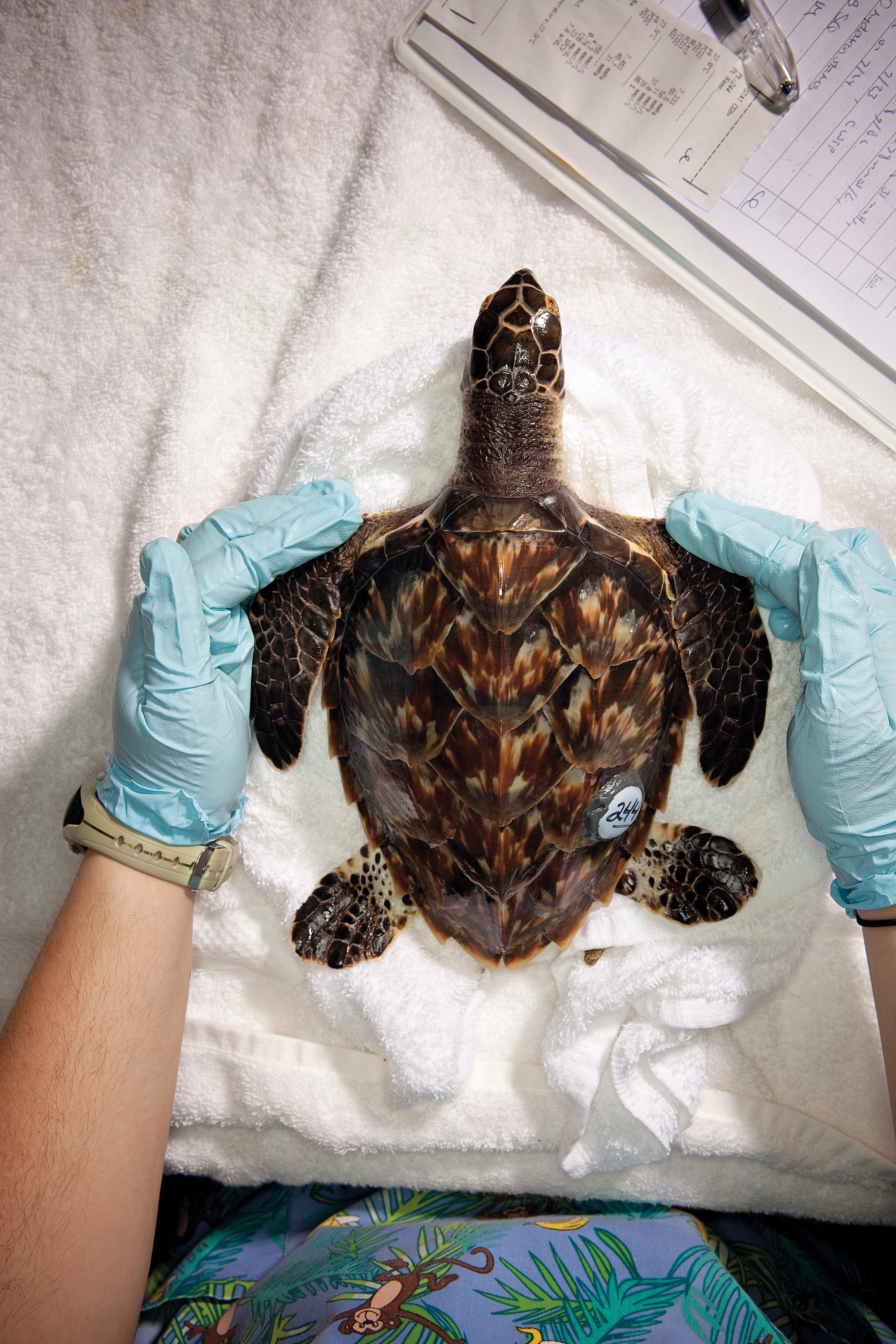
Green, loggerhead, and hawksbill sea turtles
350+ staff, volunteers, and community partners
Sea turtles do not recognize hotel zones, municipal boundaries, or tour routes. A loggerhead that nests near Cancun may have fed on sponges off Cozumel, passed through currents near Isla Mujeres, and traveled past the reefs of Tulum before coming ashore. Conservation that focuses on a single beach, while valuable, misses the larger picture. The Riviera Maya program was built to address that gap by treating the coastline as a connected system rather than a collection of separate tourist destinations.
Each year, thousands of nests are laid along this coast. Green turtles dominate the nesting counts in many areas, with loggerheads appearing in significant numbers and hawksbills nesting in smaller but critically important populations. The region also serves as a foraging ground for juvenile turtles that may not nest here for decades but depend on local seagrass beds and reef habitat while they grow. Protecting the Riviera Maya means protecting beaches, water quality, fishing practices, and reef health at the same time.
Tulum has become the symbolic center of our Riviera Maya conservation effort, not because it is the only place that matters, but because it sits at the intersection of every major challenge and opportunity on this coast. To the north, development pressure from Playa del Carmen and the Xcacel corridor continues to push outward. To the south, the protected wildlands of Sian Ka'an offer a model of what the entire region could look like with stronger safeguards. In Tulum itself, eco-tourism, boutique hotels, and a growing year-round population create daily contact between people and turtle habitat.
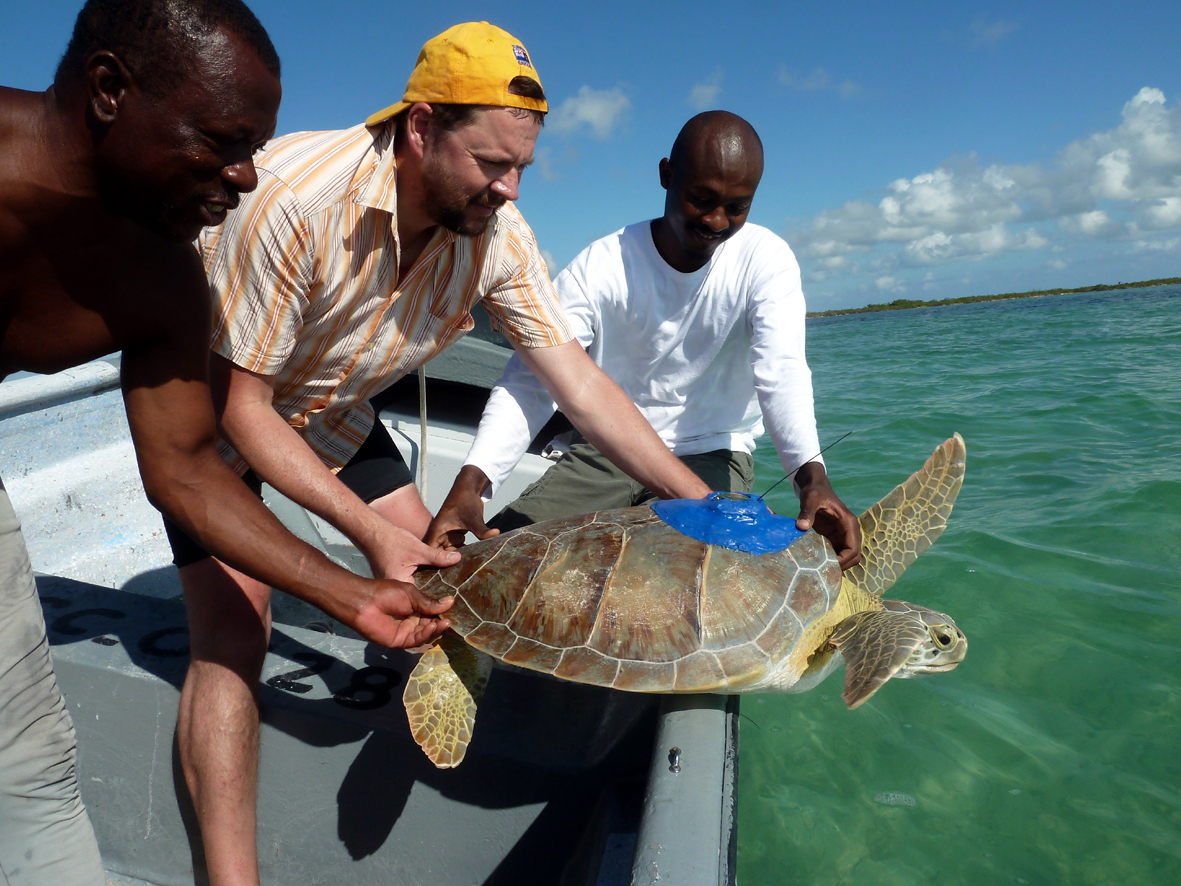
Our Tulum teams patrol nesting beaches from the town's northern limit down toward the Sian Ka'an border, working closely with local biologists and Mayan community members who have stewarded this coast for generations. In Tulum, we emphasize in-situ nest protection wherever possible, satellite and PIT tagging to track returning females, and strict light-management campaigns during hatchling emergence. Visitors to Tulum often arrive because they want to experience nature. Our job is to turn that interest into behavior that actually helps turtles rather than harming them.
Read the full detail of our Tulum program on the dedicated Tulum project page.
Between Playa del Carmen and Tulum, the Xcacel and Xcacelito sanctuary beaches remain one of the most important undeveloped nesting areas on the central Riviera Maya. Where other beaches have been narrowed by construction or flooded with light pollution, Xcacel still offers the dark, quiet conditions that nesting females seek. The Marine Turtle Foundation supports ranger patrols, hatchery operations, and managed visitor education at the sanctuary so that turtles keep getting priority on this stretch of coast.
Xcacel is not an isolated success story. It is part of a wider sanctuary corridor that connects to our work in Tulum and Playa del Carmen. Data from Xcacel nests feed into the same regional database we use to track population trends across the Riviera Maya, and hatchlings released here enter the same currents that carry them to reef and seagrass habitat all along the coast. Visit our Xcacel Sanctuary page for a full overview of that program.
Many visitors to the Riviera Maya never look beyond the sand, but turtles spend the vast majority of their lives in the water. Juvenile green turtles graze on seagrass meadows in the shallow bays between the mainland and Cozumel. Hawksbills feed on sponges along the Mesoamerican Reef, which runs parallel to the entire Riviera Maya coast. Loggerheads pass through on migration and use the region's beaches when it is time to nest. A single conservation strategy cannot address all of that, which is why our regional program includes reef monitoring, lagoon water quality testing, mangrove restoration, and fishing outreach in addition to beach patrols.
We partner with dive operators in Tulum and Cozumel, fishing cooperatives along the coast, and municipal environmental offices to make sure that what happens offshore supports what we are trying to accomplish on the beaches. When a reef loses coral cover or a lagoon fills with runoff, the effects eventually show up in turtle health, nesting success, and hatchling survival. Regional conservation means following those connections rather than ignoring them.
The Riviera Maya is not going to stop growing, and conservation here cannot depend on keeping people away. It has to work with the reality of one of the busiest tourism corridors in the Americas. That means turtle-friendly lighting standards for new construction, trained staff at hotels who know how to respond when a nesting female appears on the beach, official channels for visitors who want to see hatchlings without causing harm, and honest public education about what responsible travel looks like in turtle habitat.
It also means supporting the communities that live here year-round, not just the visitors who pass through. Local rangers, guides, fishers, and schoolchildren are the people who will determine whether conservation succeeds long after any single project ends. Our Riviera Maya program invests in their training, their livelihoods, and their authority to enforce protection on the ground.
Whether you want to volunteer during nesting season, support the Xcacel sanctuary from abroad, or simply learn how to travel more responsibly through Tulum and the wider Riviera Maya, there is a place for you in this work. Explore our project pages for Tulum, Xcacel, Playa del Carmen, and Cancun, or visit the volunteer page to apply for a field season.